Polynesian Tribal: A Bold Font for Authentic Design
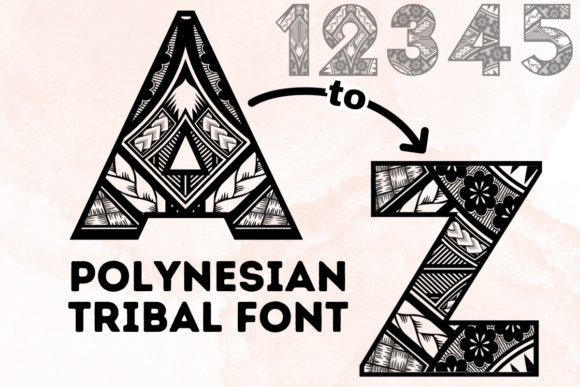
The search for a typeface with genuine impact often leads designers away from the well-trodden paths of standard sans serifs and serifs. When a project demands a voice that is primal, strong, and deeply rooted in cultural artistry, the Polynesian Tribal font emerges as a compelling choice. This isn't just another display font; it's a direct translation of Pacific Island heritage into a functional design asset. Each character is inspired by the intricate patterns carved into wood, bone, and stone—symbols that tell stories of lineage, nature, and spirituality. The result is a bold, solid typeface with a powerful visual weight and a distinct tribal aesthetic.
Understanding the Font's Unique Character
Polynesian Tribal is an OpenType SVG font, a modern typography format that embeds rich, high-fidelity graphics directly into the font file. This technical detail is crucial for its visual effect. Unlike a standard vector font where each glyph is a single flat color, the SVG technology allows the letterforms to contain the subtle textures, gradients, and multi-tonal depth you'd find in authentic carved artifacts. The personality of this font is unmistakable: it conveys strength, tradition, adventure, and a connection to the natural world. It’s a creative font that doesn't whisper; it speaks with authority and presence, making it unsuitable for body text but perfect for moments that require a dramatic visual statement.
However, this advanced format comes with a specific compatibility requirement. The Polynesian Tribal font will only render correctly in applications that support color fonts or OpenType SVG. This includes Adobe Photoshop, Adobe Illustrator, and open-source alternatives like Inkscape. It will not function in standard word processors, basic website builders, or most email clients. This limitation is a key part of its nature; it is a specialized tool for specific, high-impact design tasks where visual fidelity is paramount.
Where This Typeface Truly Shines
Knowing where to deploy a font like Polynesian Tribal is as important as selecting it. Its strengths are concentrated in areas where visual hierarchy and brand perception are driven by a powerful header or emblem. Think of projects where you need to establish a strong identity immediately.
- Logo Design & Brand Identity: For brands in adventure tourism, outdoor apparel, fitness, artisanal craft beverages, or cultural festivals, this font can become the cornerstone of a memorable brand identity. A logo set in Polynesian Tribal instantly communicates ruggedness and authenticity. It works exceptionally well for logomarks, monograms, and wordmarks where the letterforms themselves are the art.
- Editorial & Packaging Design: In editorial design, use it for magazine cover headlines, chapter openers, or feature article titles to set a thematic tone. In packaging design, it can elevate product lines for craft spirits, coffee, specialty foods, or outdoor gear, suggesting a product with depth and story.
- Digital & Social Media: For web design, it's ideal for hero section headlines or key call-to-action statements. On social media, it can make event announcements, sale graphics, or podcast artwork stand out in a crowded feed. Its inherent boldness ensures audience engagement even at smaller thumbnail sizes, provided the word is kept short.
- Personal & Commercial Projects: Beyond commercial use, it’s a fantastic asset for crafters and hobbyists. Think custom tattoo artwork, event invitations for a luau or themed party, apparel decoration, or signage for a home workshop. Its status as a premium font often includes licensing for both personal and commercial projects, but always verify the specific license for your intended use.
Practical Guidance for Using Polynesian Tribal
Integrating a potent display font like this into your workflow requires a thoughtful approach. Its power can easily overwhelm a design if not used with restraint and strategic intent.
Evaluating Fit and Font Pairings
First, ask if the font's personality aligns with your project's core message. If your brand is sleek, minimalist, and corporate, this is likely not the right typeface. If it's about heritage, strength, or organic adventure, it could be a perfect match. Next, consider font pairing. Polynesian Tribal demands a complementary partner that provides contrast and readability for supporting text. Pair it with a clean, neutral sans serif font for body copy or a simple serif font for a more traditional feel. Avoid pairing it with other decorative script fonts or handwritten fonts, as this will create visual chaos. The goal is to let the tribal font be the hero while the secondary font handles the storytelling.
Testing and Readability Considerations
Always test the font in context. Because it is a bold, all-caps style, readability is best with short words and phrases. Using it for an entire sentence will be difficult to read and will diminish its impact. Treat it as a headline or accent font only. Check how it looks at the intended size—in a social media graphic versus on a large-format banner. Review any included styles; some versions may offer alternate characters or ligatures that can add customization to your designs.
Licensing and Final Thoughts
Finally, understand the commercial font license. Reputable foundries and marketplaces will clearly outline what is permitted—whether it's for a single client project, unlimited projects, or specific media like print, digital, or merchandise. Investing in a properly licensed design asset protects you legally and supports the creators who develop these specialized tools.
In a landscape saturated with generic typography, Polynesian Tribal offers a distinct voice. It’s a creative font that carries the weight of history and artistry, enabling designers, marketers, and creators to build visual narratives that are bold, authentic, and impossible to ignore. Used wisely, it becomes more than just letters on a page; it becomes a powerful symbol in its own right.