Bubble Font: Adding Playful Charm to Your Creative Projects
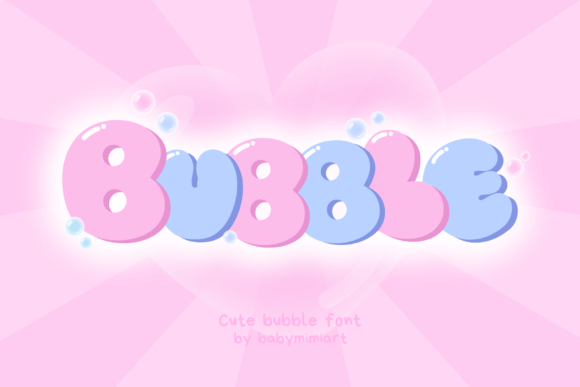
There's something immediately inviting about the Bubble typeface. Its rounded, inflated letterforms feel like they're about to float off the page, bringing an instant sense of fun and approachability to any design. As a creative font that prioritizes personality, Bubble is less about quiet professionalism and more about making a friendly, memorable statement. It doesn't just display text; it delivers a feeling—a lighthearted, cheerful vibe that's hard to ignore.
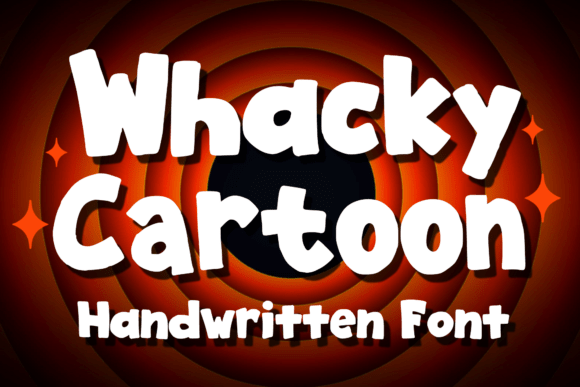
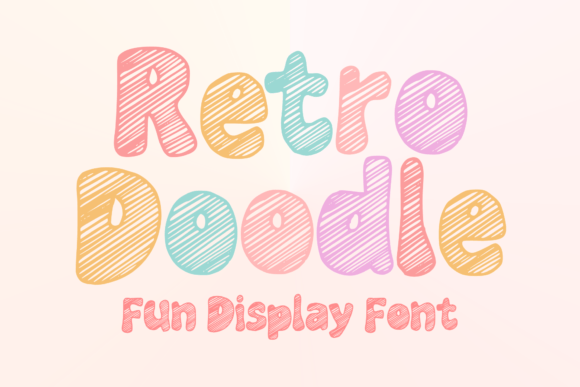
Visually, Bubble is a display font characterized by its soft, continuous curves and generous, open counters. The strokes have a uniform, rounded weight, giving each letter a cohesive, puffy appearance. This isn't a delicate script font or a rigid sans serif font; it occupies its own space as a modern typography choice that leans heavily into charm. The personality of the Bubble font is inherently joyful and informal. It feels handmade without being messy, cute without being childish, making it surprisingly versatile for a range of adult and family-oriented applications. Its style communicates warmth, creativity, and a casual confidence.
Where Bubble Truly Shines: Practical Applications
Choosing the right typeface is about context. Bubble isn't the font for a corporate law firm's annual report, but it excels where engagement and approachability are key. Its strengths lie in projects where you want to break down barriers and connect on a human, emotional level.
In brand identity, Bubble can be a secret weapon for businesses targeting families, children, or anyone seeking a break from the overly serious. Think of a boutique bakery's logo, a children's educational app, or a creative agency that wants to signal its playful side. It works beautifully for logo design when the brand's core message is about fun, simplicity, and joy. The font's friendly demeanor can make a brand feel instantly more accessible and trustworthy to its intended audience.
For editorial design and packaging design, consider using Bubble for headlines on a children's book cover, chapter titles in a lighthearted cookbook, or on product packaging for craft supplies, snacks, or toys. It catches the eye and sets a positive tone before the reader even processes the words. In the digital realm, it's excellent for social media graphics, YouTube thumbnails, podcast artwork, and website headers for blogs focused on parenting, crafts, or lifestyle. Its readability at larger sizes makes it perfect for these web design applications where impact is crucial.
Making Bubble Work for You: A Designer's Guide
Integrating a premium font like Bubble into your workflow requires some thoughtful consideration. First, evaluate the project fit. Is the overall tone of your project aligned with a playful, informal aesthetic? If the answer is yes, Bubble is a strong candidate. If the project demands strict formality, it's best to look elsewhere.
Next, master font pairing. A creative font like Bubble carries a lot of personality on its own. Pairing it with another strong, decorative font often creates visual chaos. The most effective approach is to let Bubble be the star for headlines, logos, or call-to-action text, and pair it with a clean, highly legible serif font or sans serif font for body copy. A simple, geometric sans serif often provides the perfect balance, grounding Bubble's exuberance while maintaining readability. Always test your pairings at various sizes to ensure the hierarchy is clear and the body text remains comfortable to read in long paragraphs.
Check what's included with your license. A good commercial font package often includes multiple weights, stylistic alternates, or ligatures. While Bubble's core style is consistent, exploring these extras can help you fine-tune the look for specific applications, adding subtle variation across a large project like a brand identity system. Speaking of licensing, ensure you have the correct commercial license for your intended use, whether it's for a client's logo, print-on-demand merchandise, or a digital product. Reputable font foundries make this clear, protecting both you and the type designer.
Finally, consider your audience. While adults in the 20-50 range appreciate design that doesn't take itself too seriously, context is everything. Bubble can be used to great effect in marketing materials for family-oriented services, creative workshops, or lifestyle products. It signals that a brand is personable and perhaps doesn't operate with the stiff formality of a traditional corporation. When used thoughtfully, it becomes a powerful tool in your design assets kit, capable of transforming a standard layout into something engaging and memorable. Its true value lies in its ability to inject a dose of authentic charm and playfulness into your creative projects, helping them connect with people on a more joyful level.